Svadhisthana Chakra
There are days when one feels shut off from the rest of the world, where any kind of creative output it difficult. These blockages stem from problems in the second chakra, known in English as the Sacral Chakra and in Sanskrit as Svadhisthana. This chakra is associated with all kinds of making, whether it be starting a family, writing a novel, baking a cake, or coming up with a new way to finish a difficult task. Keeping this chakra open will allow one to access one’s childlike playfulness and ingenuity.
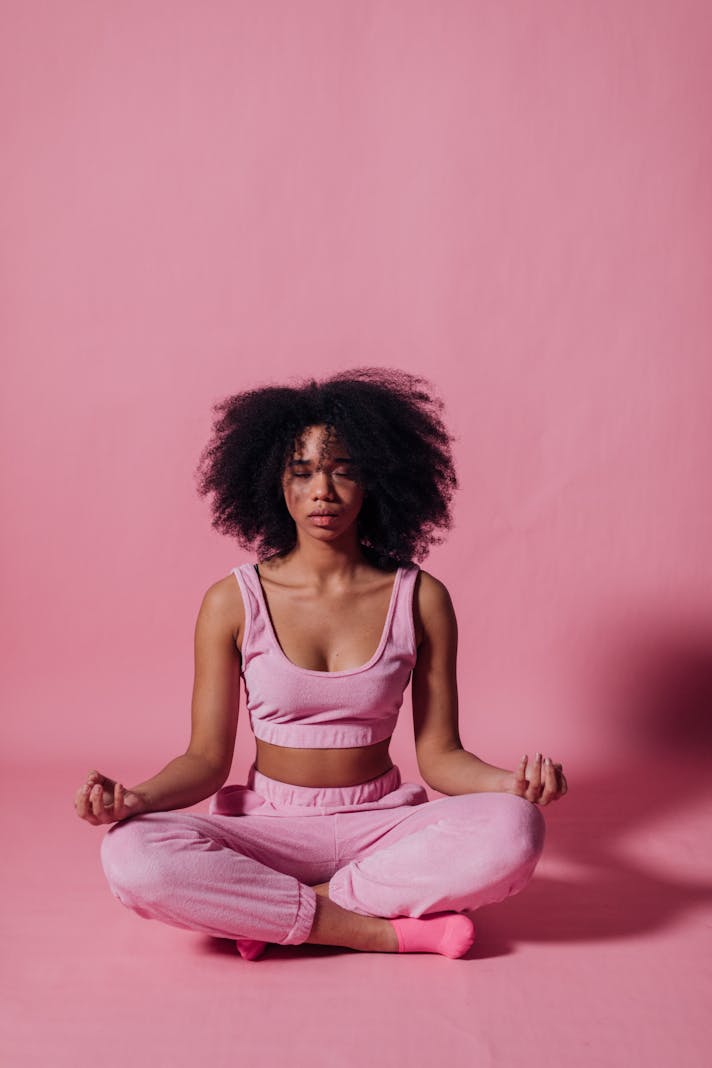
This chakra is located below the navel, in the area around the kidneys and reproductive organs. This is also the home of the adrenal glands; this is where cortisol is produced. Working with Svadhisthana is thus important to those who are constantly stressed out, as imbalances in this chakra can lead to medical problems, including stress-related weight gain and diabetes. Fortunately, it’s possible to work with this chakra in a number of ways, including meditation, the use of crystals, and yoga asanas such as Baddha Konasana or Bound Angle.
The color for this chakra orange, and crystals such as carnelian and fire opal can be used to activate this energy center. Conversely, if one needs to calm down the energies arising from this chakra, emerald is used. The key, as always, is bringing creative energies into balance with the rest of one’s life, making sure that one has enough to make one’s personal mark on the world but not so much that one can’t work with others and play a part in the communal dance. When Svadhisthana is in alignment, one is able to interact with others in a joyful and inspired way, with one’s personal energy enhancing that of others, and vice versa.
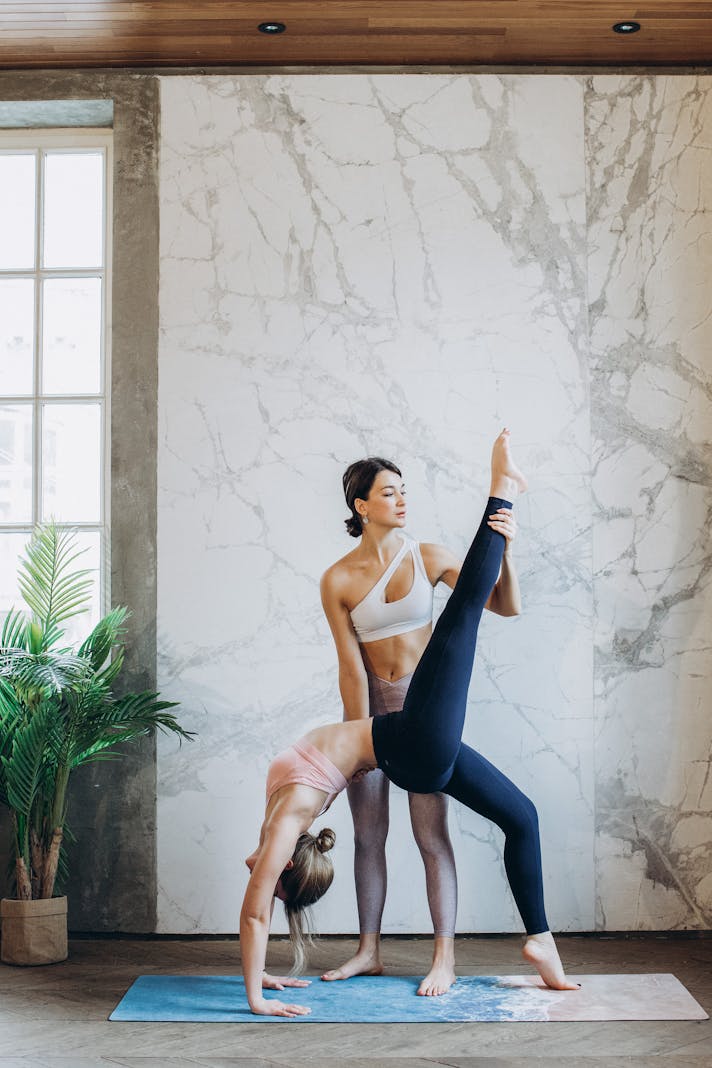
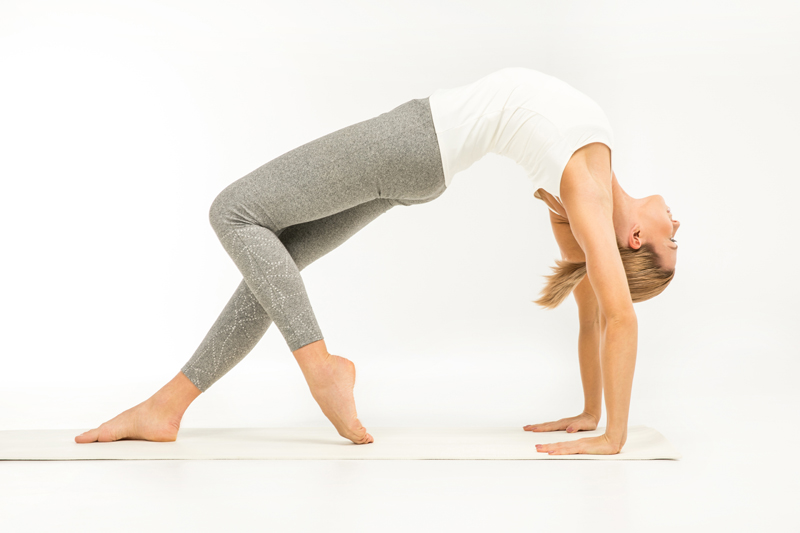
There are many asanas that can be used to balance Svadhisthana. A vinyasa focused on this area will include Side Angle Pose, or Utthita Parsvakonasana; this pose puts this area of the body at the center, with multiple lines of energy running through. More advanced standing poses include Twisted Triangle, or Pavritta Trikonasana, and Natarajasana, or Lord of the Dance Pose. After the standing poses are completed, Baddha Konasana, mentioned earlier, is another pose associated with this chakra.
If one feels the need to work with this chakra but can’t access a yoga mat, dancing is an activity that will help. Turn on some music and move to it. There’s no need to worry about specific steps; allow the creative force to make up the movement. This chakra is also balanced by connecting with loved ones; perhaps one needs to make an amends or send a loving text? Or does one need to claim some private time to write in a journal or make a poem? Perhaps a few minutes composing a photograph?
Pranayama for this chakra is another way to balance the area. Take a few moments for deep, even breathing. Put one hand on the belly and another on the chest. Is the belly involved in breathing, or is all of the movement higher up the body? Focus on using the muscles of the diaphragm to fill the belly and the sides of the body as well as the chest area.
There is a give-and-take to every part of life, and balance is achieved when one’s generativity connects to others. Svadhisthana chakra provides the energy needed for creation, whether this is used for creating a child, a school program, or a work of art. Being in tune with one’s unique inspirational drive allows one to make one’s mark on the world, and also to witness the beauty of the marks that others have made. Thus, working with this chakra allows one to focus on the give-and-take of life itself.
This chakra is located below the navel, in the area around the kidneys and reproductive organs. This is also the home of the adrenal glands; this is where cortisol is produced. Working with Svadhisthana is thus important to those who are constantly stressed out, as imbalances in this chakra can lead to medical problems, including stress-related weight gain and diabetes. Fortunately, it’s possible to work with this chakra in a number of ways, including meditation, the use of crystals, and yoga asanas such as Baddha Konasana or Bound Angle.
The color for this chakra orange, and crystals such as carnelian and fire opal can be used to activate this energy center. Conversely, if one needs to calm down the energies arising from this chakra, emerald is used. The key, as always, is bringing creative energies into balance with the rest of one’s life, making sure that one has enough to make one’s personal mark on the world but not so much that one can’t work with others and play a part in the communal dance. When Svadhisthana is in alignment, one is able to interact with others in a joyful and inspired way, with one’s personal energy enhancing that of others, and vice versa.
There are many asanas that can be used to balance Svadhisthana. A vinyasa focused on this area will include Side Angle Pose, or Utthita Parsvakonasana; this pose puts this area of the body at the center, with multiple lines of energy running through. More advanced standing poses include Twisted Triangle, or Pavritta Trikonasana, and Natarajasana, or Lord of the Dance Pose. After the standing poses are completed, Baddha Konasana, mentioned earlier, is another pose associated with this chakra.
If one feels the need to work with this chakra but can’t access a yoga mat, dancing is an activity that will help. Turn on some music and move to it. There’s no need to worry about specific steps; allow the creative force to make up the movement. This chakra is also balanced by connecting with loved ones; perhaps one needs to make an amends or send a loving text? Or does one need to claim some private time to write in a journal or make a poem? Perhaps a few minutes composing a photograph?
Pranayama for this chakra is another way to balance the area. Take a few moments for deep, even breathing. Put one hand on the belly and another on the chest. Is the belly involved in breathing, or is all of the movement higher up the body? Focus on using the muscles of the diaphragm to fill the belly and the sides of the body as well as the chest area.
There is a give-and-take to every part of life, and balance is achieved when one’s generativity connects to others. Svadhisthana chakra provides the energy needed for creation, whether this is used for creating a child, a school program, or a work of art. Being in tune with one’s unique inspirational drive allows one to make one’s mark on the world, and also to witness the beauty of the marks that others have made. Thus, working with this chakra allows one to focus on the give-and-take of life itself.
You Should Also Read:
Muladhara, or Root Chakra
Introduction to the Chakras

Related Articles
Editor's Picks Articles
Top Ten Articles
Previous Features
Site Map
Content copyright © 2023 by Korie Beth Brown. All rights reserved.
This content was written by Korie Beth Brown. If you wish to use this content in any manner, you need written permission. Contact Korie Beth Brown for details.