Don't look back
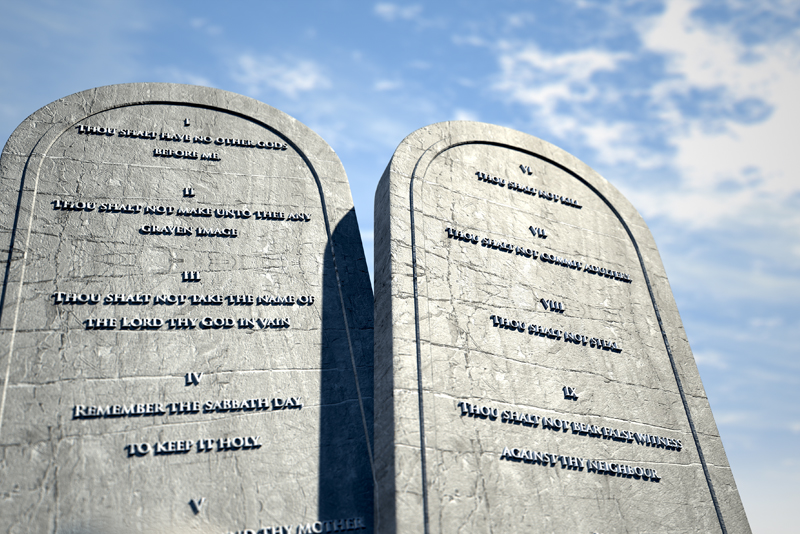
When the captives were freed out of bondage in Egypt through miracles put in place by God, it didn't take long for them to forget. The Israelites complained and murmured over the food that God provided in the wilderness to the point that they wanted to go back to slavery in Egypt. This caused them to wander around in the wilderness for forty years with the adults never getting to the Promised Land. All because they did not choose to remember and honor all that God had done for them.
Take a look a the account in Genesis 19:23-26 which talks about the and destruction of Sodom and Gomorrah due to their vile and perverse lifestyle. God sent angels to save Lot and his family and were specifically told not to look back. The family did not move fast enough and were actually taken and placed outside of the city in order to not be consumed. Unfortunately, Lot’s wife could not restrain herself from looking back and became a pillar of salt.
These stories are reminders for us to not look back or dwell on the past God saved us from but to look forward and walk in His grace. The Christian life is not void of trials but we have to stand fast on the fact that God has brought you out before and He will do it again as long as you keep the faith and seek His face daily. Are you looking back at the “fun” of a sin ridden life? Do you wrestle with straddling the fence?
However strong the pull is on you to go back to past sin hold on to the Word and bind it in your heart. Remember Lot’s wife!” Luke 17:32 Realize there is nothing good in looking back. The past is the past and as a Christian going back is not an option because you might think you are strong enough to go into the same places, or be with the same crowd and maybe you are but what is the point. If you prayed for God to save you and He brought you out then you owe your new life to Him. Pray for change for those who you left behind to find God. Be the example of God's grace and mercy that they see. Your new life is a living testimony of His power.
Move forward and ask Him what is His will for your life. What is the gift He gave you that you may use for His glory? Don’t take His blessings for granted and die in the wilderness so close to the promise He has for your life. The Israelites died never seeing the Promised Land because they were so busy thinking about where they came from and somehow forgot that it was not a good place to be. Do you remember the trials you went through and the prayers you prayed? Never forget that God brought you through into a better place in your life.
Hold onto God’s unchanging hand and move forward in His grace to be a living witness of His goodness.
God Bless!
Take a look a the account in Genesis 19:23-26 which talks about the and destruction of Sodom and Gomorrah due to their vile and perverse lifestyle. God sent angels to save Lot and his family and were specifically told not to look back. The family did not move fast enough and were actually taken and placed outside of the city in order to not be consumed. Unfortunately, Lot’s wife could not restrain herself from looking back and became a pillar of salt.
These stories are reminders for us to not look back or dwell on the past God saved us from but to look forward and walk in His grace. The Christian life is not void of trials but we have to stand fast on the fact that God has brought you out before and He will do it again as long as you keep the faith and seek His face daily. Are you looking back at the “fun” of a sin ridden life? Do you wrestle with straddling the fence?
However strong the pull is on you to go back to past sin hold on to the Word and bind it in your heart. Remember Lot’s wife!” Luke 17:32 Realize there is nothing good in looking back. The past is the past and as a Christian going back is not an option because you might think you are strong enough to go into the same places, or be with the same crowd and maybe you are but what is the point. If you prayed for God to save you and He brought you out then you owe your new life to Him. Pray for change for those who you left behind to find God. Be the example of God's grace and mercy that they see. Your new life is a living testimony of His power.
Move forward and ask Him what is His will for your life. What is the gift He gave you that you may use for His glory? Don’t take His blessings for granted and die in the wilderness so close to the promise He has for your life. The Israelites died never seeing the Promised Land because they were so busy thinking about where they came from and somehow forgot that it was not a good place to be. Do you remember the trials you went through and the prayers you prayed? Never forget that God brought you through into a better place in your life.
Hold onto God’s unchanging hand and move forward in His grace to be a living witness of His goodness.
God Bless!
| Bible Basics Forum Posts |
| Give Thanks |
| Standing in the Storm |
| Seeds of Prosperity - Book Review |
You Should Also Read:
Reasons for Unanswered Prayer – Lenten Devotion
The Sufferings of Jesus Christ – Lenten Devotion
An Encounter with Christ – Lenten Devotion

Related Articles
Editor's Picks Articles
Top Ten Articles
Previous Features
Site Map
Content copyright © 2023 by Sunnie Jackson. All rights reserved.
This content was written by Sunnie Jackson. If you wish to use this content in any manner, you need written permission. Contact Sunnie Jackson for details.