Self-Publishing Writing Tips
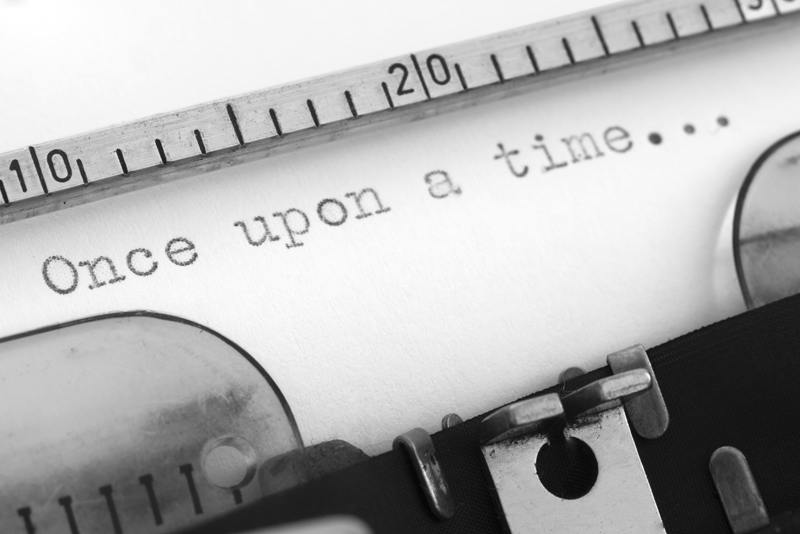
There are many pros and cons to taking the road heavily travelled as a self-published author. However, the rational used to compile each list will not matter if the final project leaves a lot to be desired. The biggest disservice to a strong storyline is the author's poor writing skills. It's not enough for authors to just create a compelling concept, but they must sharpen their abilities to write and connect with the readers. So here are seven tips to help writers stay focused and improve their craft.
1) Join writer's associations - Joining credible local and national professional writing associations will not only add credibility to your bio, but it can also help writers stay on track to complete various writing goals. Writers can and should go to conferences offered through the different associations and take advantage of the opportunities to learn and network. Membership fees are usually associated with professional groups, but if they are not exorbitant, it is often worth it.
2) Critique/ support groups - Writing is truly a solitary and often lonely endeavor. Often most conversations writers have about their projects are with themselves -in their heads, unless they are prone to talking to themselves. In any event, talking out scenarios or allowing a peer to read your work and give feedback is invaluable. In addition, sometimes it?s just nice to meet with people who know what you're going through and are prepared to cheer you on in general.
3) Test Readers - These readers are different from those in a critique or writer support group. Those readers function as peers helping from the point of view of a writer. Whereas test readers represent the target audience. Feedback from an average reader beforehand can facilitate rewrites to make the story more enjoyable. It can also serve as a big boost when the feedback is positive.
4) Research -If you don?t know the details of the subject that you're writing about, some readers will never know. However, rest assured, many readers will know and will not have a problem pointing out the failings of that scene or plot in a written review. Reviews can directly affect sales, so it's important not to lose credibility in the eyes of your readers. The best thing to do is research, even for the smallest, seemingly inconsequential scene. For example - If you're writing about a bank robbery in the 50's, don't make assumptions. Instead, take the time to research what the inside of a bank looked like and its security protocols during that time before you begin to describe the scene.
5) Cover - Authors should think of the cover as the first page of their book and treat it as part of their story. In the same way they choose the words in their book carefully, they should also show the same due diligence when choosing the book cover. Deciding on a book cover is an important job and shouldn't be a task left for someone else.
6) Editing - It's almost clich? to add this tip, but no self-help list for writers can be complete without it. Here are two questions authors should consider on the topic of editing:
Should I edit for content? Maybe. It depends on your skills and style. It couldn?t hurt, but it can be pricey. If you decide on this option, make sure you get an editor or editing service with impeccable credentials and referrals. Otherwise, you may end up paying for a substandard job that wouldn't have been much help even if you had gotten it for free.
Should I edit for grammar and continuity? Absolutely. Definitely. Without a doubt. A good proofreader will save you a lot of embarrassment and aggravation. That's because no matter how perfect your corrected version is, the first draft available to the public is what?s going to be written about and remembered - seemingly forever. Always get as many eyes on your manuscript to proofread as possible, especially if you choose not to pay a professional.
Finally, make sure you edit your own manuscript - multiple times. It's important that you give yourself enough time between readings (this could mean weeks) so that you will be editing with "fresh eyes." One of the most effective ways is to edit your own work is to read it very carefully out loud. Too often when you read to yourself, your mind jumps to conclusions and add/subtract words that should/shouldn't be there.
7) Write - Keep writing. Your last manuscript will be better than the first. Practice doesn?t make perfect, but it does make it better.
1) Join writer's associations - Joining credible local and national professional writing associations will not only add credibility to your bio, but it can also help writers stay on track to complete various writing goals. Writers can and should go to conferences offered through the different associations and take advantage of the opportunities to learn and network. Membership fees are usually associated with professional groups, but if they are not exorbitant, it is often worth it.
2) Critique/ support groups - Writing is truly a solitary and often lonely endeavor. Often most conversations writers have about their projects are with themselves -in their heads, unless they are prone to talking to themselves. In any event, talking out scenarios or allowing a peer to read your work and give feedback is invaluable. In addition, sometimes it?s just nice to meet with people who know what you're going through and are prepared to cheer you on in general.
3) Test Readers - These readers are different from those in a critique or writer support group. Those readers function as peers helping from the point of view of a writer. Whereas test readers represent the target audience. Feedback from an average reader beforehand can facilitate rewrites to make the story more enjoyable. It can also serve as a big boost when the feedback is positive.
4) Research -If you don?t know the details of the subject that you're writing about, some readers will never know. However, rest assured, many readers will know and will not have a problem pointing out the failings of that scene or plot in a written review. Reviews can directly affect sales, so it's important not to lose credibility in the eyes of your readers. The best thing to do is research, even for the smallest, seemingly inconsequential scene. For example - If you're writing about a bank robbery in the 50's, don't make assumptions. Instead, take the time to research what the inside of a bank looked like and its security protocols during that time before you begin to describe the scene.
5) Cover - Authors should think of the cover as the first page of their book and treat it as part of their story. In the same way they choose the words in their book carefully, they should also show the same due diligence when choosing the book cover. Deciding on a book cover is an important job and shouldn't be a task left for someone else.
6) Editing - It's almost clich? to add this tip, but no self-help list for writers can be complete without it. Here are two questions authors should consider on the topic of editing:
Should I edit for content? Maybe. It depends on your skills and style. It couldn?t hurt, but it can be pricey. If you decide on this option, make sure you get an editor or editing service with impeccable credentials and referrals. Otherwise, you may end up paying for a substandard job that wouldn't have been much help even if you had gotten it for free.
Should I edit for grammar and continuity? Absolutely. Definitely. Without a doubt. A good proofreader will save you a lot of embarrassment and aggravation. That's because no matter how perfect your corrected version is, the first draft available to the public is what?s going to be written about and remembered - seemingly forever. Always get as many eyes on your manuscript to proofread as possible, especially if you choose not to pay a professional.
Finally, make sure you edit your own manuscript - multiple times. It's important that you give yourself enough time between readings (this could mean weeks) so that you will be editing with "fresh eyes." One of the most effective ways is to edit your own work is to read it very carefully out loud. Too often when you read to yourself, your mind jumps to conclusions and add/subtract words that should/shouldn't be there.
7) Write - Keep writing. Your last manuscript will be better than the first. Practice doesn?t make perfect, but it does make it better.

Related Articles
Editor's Picks Articles
Top Ten Articles
Previous Features
Site Map
Content copyright © 2023 by Nina Guilbeau. All rights reserved.
This content was written by Nina Guilbeau. If you wish to use this content in any manner, you need written permission. Contact Nina Guilbeau for details.