Penguin Parade at Phillip Island
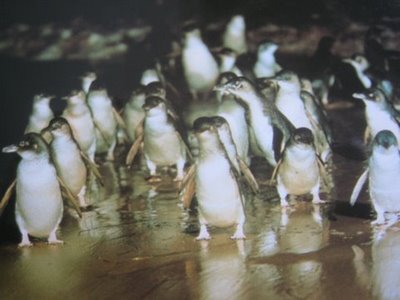
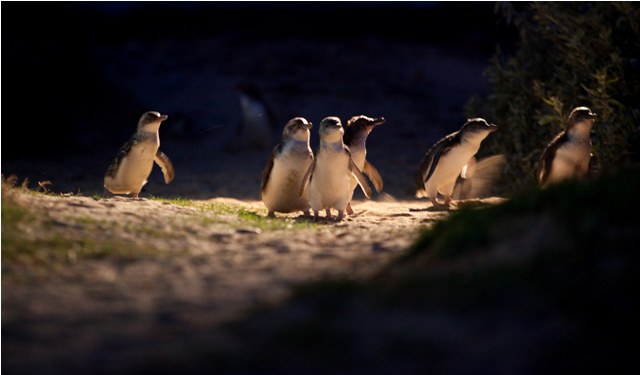
The Penguin Parade at Phillip Island is one of Australia’s most popular attractions. Phillip Island is situated in the southern reaches of the state of Victoria and is accessed by bridge from the mainland. Each and every night these delightful little creatures return to the beach at Phillip Island after a day’s fishing and having fun.
The Fairy Penguin is the world’s smallest penguin and is found in abundance on the beaches of Phillip Island. Because of the very nature of these incredibly vulnerable animals, the Phillip island Nature Park Authority has set aside an area for tourist to experience this wonderful nightly event, without putting themselves or these sweet little penguins at risk of harm.
To watch these little Penguins as they waddle up to the safety of their homes in the sand dunes is an experience not to be missed. It is a truly enchanting procession as hundreds of these cute little animals make their way home for the evening.
The main penguin viewing area at Summerland Beach has layered seating which provides a 180 degree elevated view of the homecoming parade.
This particular stand is located in what is considered the “high penguin traffic area” where wildlife rangers are on hand to impart a highly professional commentary on what is happening and gives a small glimpse into the world’s smallest penguin’s life.
Visitors are encouraged to assist the rangers in performing a head count, which is an important element of the ongoing research on the island.
Phillip Island is also well known for its natural beauty, incredibly pristine sandy beaches and its rugged cliffed landscape. The unique flora and wildlife found on the island is truly amazing. There are fur seals, koalas, kangaroos, wallabies, shearwater birds and of course the delightful Fairy Penguins for which Phillip Island is famous for.
There are opportunities to take one of the many coastal walks that are provided in both boardwalk and dirt path structures. The penguins have nests burrowed into the outcrops and tourists are encouraged not to leave the tracks or boardwalks, to avoid damaging the penguin homes, and running the risk of breaking a leg in one of the holes.
Just a reminder – the climate during the summer will be warm, but very changeable. It is advised to take a wind jacket for some protection. In the winter, it is absolutely freezing, and warm thermals and wet weather gear is advisable.
There are many cruise and tour operators who offer all manner of tours ideas and experiences. Using your favourite search engine, type in Phillip Island Penguins and you will be presented with lots and lots of tour options.
The visitor’s centres dotted around the island offer a huge amount of information about the environmental and conservation methods that are being instigated to secure the valuable and vulnerable flora and fauna that makes up the wonderful land mass of Phillip Island.

Related Articles
Editor's Picks Articles
Top Ten Articles
Previous Features
Site Map
Content copyright © 2023 by Judie Bellingham. All rights reserved.
This content was written by Judie Bellingham. If you wish to use this content in any manner, you need written permission. Contact Judie Bellingham for details.