Softball in the Olympic Games
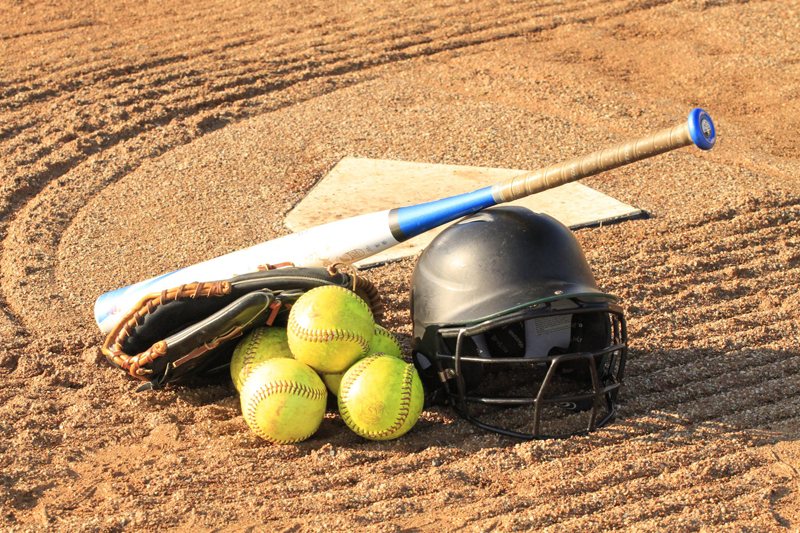
The United States first competed in softball in the Olympic Games in 1996. The games were held in Atlanta, Georgia. The two teams competing for gold were the United States and China. There were two controversial calls by the umpire that upset the China team. The first was an attempt by China to steal second and home with the runner called out at home. The second was a home run hit by the American team that appeared to be a foul ball but was called fair, scoring two runs. In a 3-1 victory, the United States women's team won gold their first year.
In the 2000 Olympics, Sydney, Australia was the location. Four teams competed in the semi-finals and the United States barely made it, losing three games in a row. They were in the top two against Japan in a tough game with only one hit for the Americans. The United States won 2-1, scoring in the eighth inning on an error. This was their second invitation to the Olympic Games and their second gold medal.
The Olympics were held in Athina, Greece in 2004. Even though the United States won gold medals the previous two times at the Olympic Games, this year they dominated with no losses. They played nine games, winning them all and allowed the other teams to score only one run compared to their 51 total runs. This gained them their third gold medal.
The United States went to Beijing, China in 2008 for the Olympic Games. The stage was set for another victory when USA won seven out of seven games played in the round-robin style (each team playing every other team). In the grand finals, the United States played Japan with a disappointing 3-1 loss. This year, the Americans did not win gold. They had, however, won silver (www.sports-reference).
In a decision that affected softball players worldwide, the International Olympic Committee dropped softball and baseball from the Olympic Games for 2012 and 2016. There was a vote taken by members of the committee on all the events that make up the Olympics but softball (as well as baseball) did not receive enough support. Instead, other sports that are on a waiting list will be assigned in their place. This decision devastated athletes training to be their best but does not mean that softball has to be kept out of the Olympic Games always. In June of 2012, it was announced that the International Softball Federation and the International Baseball Federation will merge, resulting in The World Baseball Softball Confederation. The plan on the part of both of these former committees is to combine resources and propose to the International Olympic Committee reinstatement for both softball and baseball. They propose to play under a single venue, making it simpler and hopefully, raising their chances of getting back into the Olympics (www.baseballamerica).
https://www.baseballamerica.com/
https://www.sports-reference.com/olympics/summer/
In the 2000 Olympics, Sydney, Australia was the location. Four teams competed in the semi-finals and the United States barely made it, losing three games in a row. They were in the top two against Japan in a tough game with only one hit for the Americans. The United States won 2-1, scoring in the eighth inning on an error. This was their second invitation to the Olympic Games and their second gold medal.
The Olympics were held in Athina, Greece in 2004. Even though the United States won gold medals the previous two times at the Olympic Games, this year they dominated with no losses. They played nine games, winning them all and allowed the other teams to score only one run compared to their 51 total runs. This gained them their third gold medal.
The United States went to Beijing, China in 2008 for the Olympic Games. The stage was set for another victory when USA won seven out of seven games played in the round-robin style (each team playing every other team). In the grand finals, the United States played Japan with a disappointing 3-1 loss. This year, the Americans did not win gold. They had, however, won silver (www.sports-reference).
In a decision that affected softball players worldwide, the International Olympic Committee dropped softball and baseball from the Olympic Games for 2012 and 2016. There was a vote taken by members of the committee on all the events that make up the Olympics but softball (as well as baseball) did not receive enough support. Instead, other sports that are on a waiting list will be assigned in their place. This decision devastated athletes training to be their best but does not mean that softball has to be kept out of the Olympic Games always. In June of 2012, it was announced that the International Softball Federation and the International Baseball Federation will merge, resulting in The World Baseball Softball Confederation. The plan on the part of both of these former committees is to combine resources and propose to the International Olympic Committee reinstatement for both softball and baseball. They propose to play under a single venue, making it simpler and hopefully, raising their chances of getting back into the Olympics (www.baseballamerica).
https://www.baseballamerica.com/
https://www.sports-reference.com/olympics/summer/
This site needs an editor - click to learn more!

Related Articles
Editor's Picks Articles
Top Ten Articles
Previous Features
Site Map
Content copyright © 2023 by Traci Falb. All rights reserved.
This content was written by Traci Falb. If you wish to use this content in any manner, you need written permission. Contact
BellaOnline Administration
for details.