

Fire Water – The Spirit of Bondage
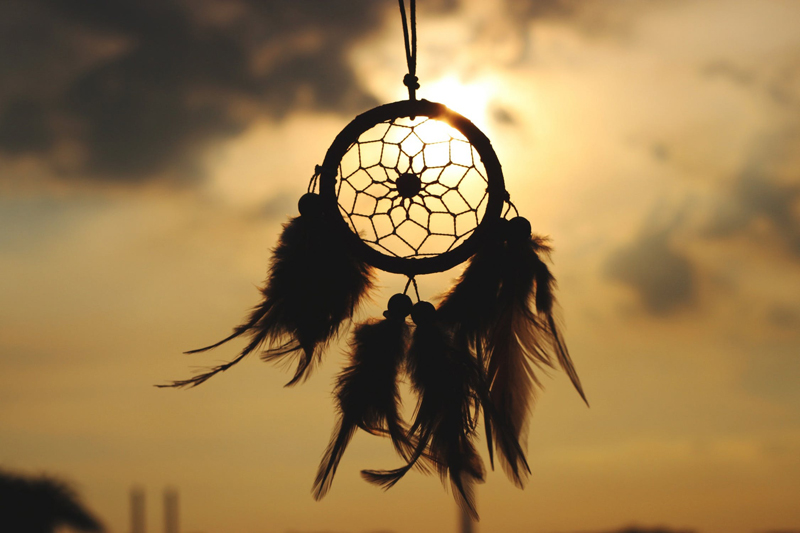
Fire Water is a term our ancestors used to describe the potent whiskey and rum introduced to them by European traders. The word alcohol originates from the Arabic word for spirit, “al-kuhl.” In Middle Eastern folklore, the al-khul is the name of a ravenous, body-eating spirit. Whether or not you believe in a dark spiritual origin or source of alcohol addiction, it is hard to deny alcohol’s power to completely annihilate body, mind, and spirit. In this light, could the battle against alcoholism best be fought in the spiritual realm?
As a result of colonization many Natives of North America have experienced physical disease, extreme emotional upset and spiritual depletion through centuries and through generations. Teachings of the power of forgiveness can be found in the major spiritual doctrines of the world. Does the spirit of forgiveness have the power to break all chains of negativity? Can an ancient hatred, unleashed to devour the sacred souls of our People, be overcome and dissolved through the work of forgiveness today?
Interestingly, in ancient Eastern culture an alchemist’s alternative symbol for alcohol was like a hexagon. One triangle with point facing down represented water, and the other triangle point facing up represented fire, the overlaid triangles formed a hexagon shape, also called firewater.
Removing blocks or strongholds is vital to procuring freedom from bondage. The spirit of bondage works in the confines of our minds, projecting a world of victimhood and powerlessness. Alcohol is really only one of its many tools or manifestations in the natural or seen world. While others can enjoy alcohol in moderation and on special occasions, many of our Native brothers and sisters find that alcohol only has destructive properties when consumed.
Vital statistics from North America’s most prominent medical research labs steadily reveal an alarming disparity between, Native People and other races, in the area of alcohol-related deaths, disease, and social ills. If we study our People’s historic relationship with alcohol, we recognize its destructive roots, first with fur traders, then later with the U.S. government.
Historical documents support the fact that alcohol was used as a sort of chemical warfare. Alcohol was made plenty before fur trade deals and Treaty signings. U.S. Calvary and Indian Agents were known to distribute alcohol along with the sparse food rations allotted to subdue Indian souls living on reservations in the early years. As centuries passed and generations unfold within the Great Plains, the descendants of great chiefs have survived, but have yet to thrive.
It is time to reclaim your Indian Spirit! Experts say that all behavior is assumed to be motivated or caused. And much of it is done so below the level of awareness, hence unconscious. Deep feelings of deprivation, such as those most likely experienced by our ancestors, cause us to perceive emptiness and powerlessness.
As the sense of spiritual connection with the Creator, the personal spiritual practice of our ancestors, was decimated by assimilation, our People lost a sense of self. Whatever the source or cause of addictions, we know that there is a deep disconnect at the level of spirit. By providing a framework for understanding the chaos of our inner experience we can begin to heal, and forgiveness is a natural by-product of a healed heart and soul. There is great power in clarifying the battle yet to be fought for the control of your soul.
“Touch not the poisonous firewater that makes wise ones turn to fools and robs them of their vision.” – Tecumseh, Shawnee Leader, 1750-1813
As a result of colonization many Natives of North America have experienced physical disease, extreme emotional upset and spiritual depletion through centuries and through generations. Teachings of the power of forgiveness can be found in the major spiritual doctrines of the world. Does the spirit of forgiveness have the power to break all chains of negativity? Can an ancient hatred, unleashed to devour the sacred souls of our People, be overcome and dissolved through the work of forgiveness today?
Interestingly, in ancient Eastern culture an alchemist’s alternative symbol for alcohol was like a hexagon. One triangle with point facing down represented water, and the other triangle point facing up represented fire, the overlaid triangles formed a hexagon shape, also called firewater.
Removing blocks or strongholds is vital to procuring freedom from bondage. The spirit of bondage works in the confines of our minds, projecting a world of victimhood and powerlessness. Alcohol is really only one of its many tools or manifestations in the natural or seen world. While others can enjoy alcohol in moderation and on special occasions, many of our Native brothers and sisters find that alcohol only has destructive properties when consumed.
Vital statistics from North America’s most prominent medical research labs steadily reveal an alarming disparity between, Native People and other races, in the area of alcohol-related deaths, disease, and social ills. If we study our People’s historic relationship with alcohol, we recognize its destructive roots, first with fur traders, then later with the U.S. government.
Historical documents support the fact that alcohol was used as a sort of chemical warfare. Alcohol was made plenty before fur trade deals and Treaty signings. U.S. Calvary and Indian Agents were known to distribute alcohol along with the sparse food rations allotted to subdue Indian souls living on reservations in the early years. As centuries passed and generations unfold within the Great Plains, the descendants of great chiefs have survived, but have yet to thrive.
It is time to reclaim your Indian Spirit! Experts say that all behavior is assumed to be motivated or caused. And much of it is done so below the level of awareness, hence unconscious. Deep feelings of deprivation, such as those most likely experienced by our ancestors, cause us to perceive emptiness and powerlessness.
As the sense of spiritual connection with the Creator, the personal spiritual practice of our ancestors, was decimated by assimilation, our People lost a sense of self. Whatever the source or cause of addictions, we know that there is a deep disconnect at the level of spirit. By providing a framework for understanding the chaos of our inner experience we can begin to heal, and forgiveness is a natural by-product of a healed heart and soul. There is great power in clarifying the battle yet to be fought for the control of your soul.
“Touch not the poisonous firewater that makes wise ones turn to fools and robs them of their vision.” – Tecumseh, Shawnee Leader, 1750-1813
| Native American Forum Posts |
| This forum... |
| Vine Deloria |
| Ancestral Suffering |

Related Articles
Editor's Picks Articles
Top Ten Articles
Previous Features
Site Map
Content copyright © 2023 by Jacqueline Olivia Pina. All rights reserved.
This content was written by Jacqueline Olivia Pina. If you wish to use this content in any manner, you need written permission. Contact Jacqueline Olivia Pina for details.
