Cattelyas - General Information
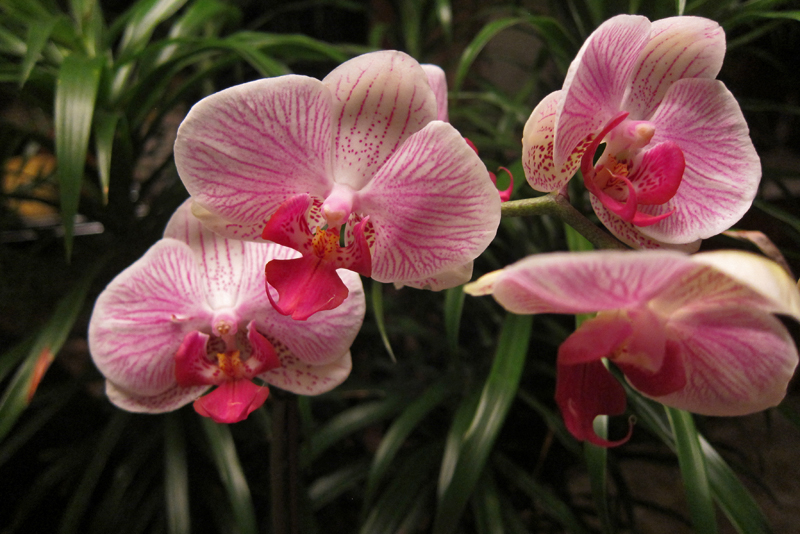
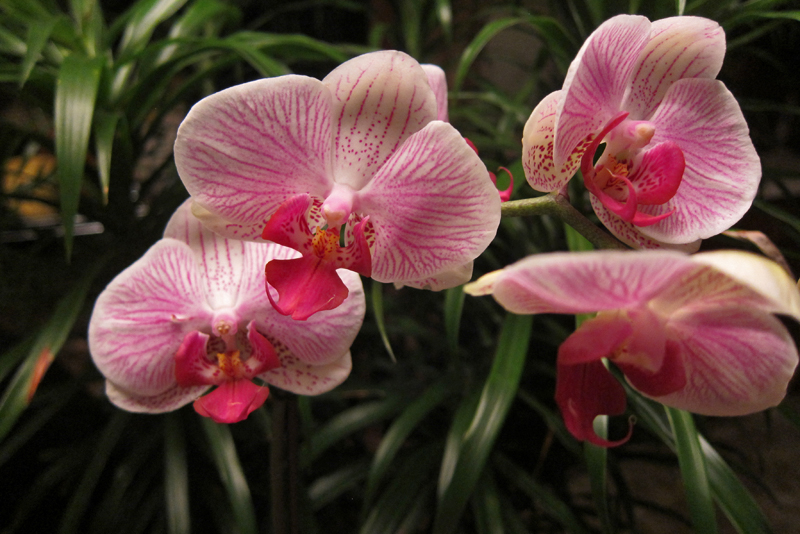
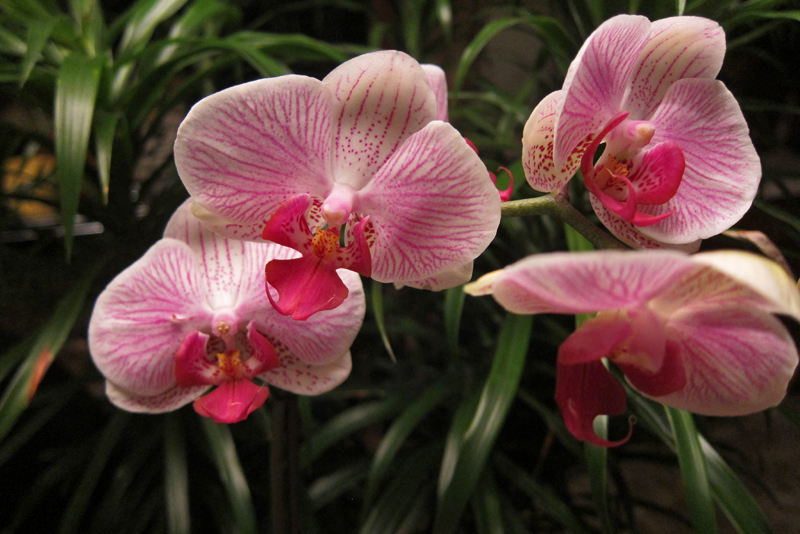
One of the more popular orchids, Cattleya orchids are liked for their large frilly flowers. They are available in all sorts of sizes, large as well as miniature Cattleyas. A lot of them are natural, but there are many hybrids as well. Cattleyas are easy to grow if they are provided with their basic needs. Requirements of hybrids orchids are more difficult to know, it is best inquire from the supplier who gave you the hybrid orchid. Though, generally hybrids are easier to grow and take care of. Let me take up needs and requirements of Cattleys.
Native habitat: To grow an orchid successfully always try to find out the orchid's growing conditions in its natural habitat. Most Cattleya species grow on trees, as epiphytes and are native to the tropical Americas. A large number of them are found in Central and South American tropical regions.
Growth conditions
• Light: Cattleyas love bright light but for short periods. In nature, Cattleyas grow in strong sunlight passing through the canopy of the trees. Frequently, growers find their Cattleyas failing to bloom; it could be because of lack of sufficient sunlight. Try placing your orchid where early morning sun shines brightly.
• Water: Cattleyas are adapted to store water in their pseudobulbs. Larger/ fully grown Cattleyas can survive longer without water as compared to smaller/ younger plants. Watering should be done according to the requirement and size of the plant. Check your orchid frequently; water the orchid only when the growth medium dries. With practice, you will be able to set a watering routine for your Cattleyas.
• Temperature: These will respond well when grown in warm conditions, with temperature around 25±2° C.
• Humidity: Cattleyas thrive in high humidity, but should be accompanied with good air circulation.
• Air: Keep air circulating around your prized possessions to prevent spread to diseases and pests.
Cultivation
• Growing season: The growing season starts after the orchid undergoes a rest period after flowering.
• Growth medium: Cattleya can be grown in mediums which do not retain water for long periods of time. As epiphytes, they grow on tree bark in nature. As time passes roots get covered with moss. All this indicates that Cattleyas grow on a medium which can retain little amount of water (in the cracks on the barks and aerial roots) and offers free movement of air around the roots. So choose a medium which can duplicate these conditions.
• Propagation: Repot Cattleyas after two to three years, generally after the flowering is over and/or in spring time. Repot your orchid when it has overgrown the pot or when the plant shows signs of disease/pest attack.
• Fertilizer application: Many orchid experts’ advice fertilizing ‘weekly but weakly’. In nature most orchids grow on trees, where they thrive and bloom! In spite of facing frequent drought like conditions and survive on nutrition derived from various sources, such as secretions from the bark, dead leaves which get collected within the orchid roots, bird droppings etc.
• Symptoms that your orchid is sick
• Pest and disease control:
Snails and slugs damage can be avoided by placing your pot in a shallow water collecting pan and encircling the pot with salt. Or you can brush the pot surface with kerosene oil. If this does not deter these then you can opt for neem based or commercial insecticide containing metaldehyde.
Scale insects can be most effectively controlled by maintaining enough distance between plants such that there is no touching of leaves with each other. Insects such as ladybugs, wasps are biological predators of scale insects, so should be encouraged to visit your orchids. Cleaning your orchids with isopropyl alcohol can also reduce the scale insects.
Smoke laced with the chemical tetraethyl dithiopyrophosphate help to get rid of aphids and mites in the greenhouse, it should be followed by airing of the greenhouse, though.
Cattleya fly infeststion can be controlled by removing the infected plant. Cattleya fly is actually a wasp and it hops from one plant to another, so maintaining sufficient distance between each orchid can prevent its spread.
In case of black twig borer infection it is best to destroy the infected plant. The borer makes pin sized holes in the stem/pseudobulbs.
Note:
Always tag your orchids. It will help in deciding their needs, as each orchid has its own particular
Reference:
Jefferson, R.N. and Mack, G.E. (1953). Control of certain greenhouse insects and mites with tetraethyl dithiopyrophosphate smokes. Journal of Economic Entomology. Vol. 46, No.1; 120-123.
Native habitat: To grow an orchid successfully always try to find out the orchid's growing conditions in its natural habitat. Most Cattleya species grow on trees, as epiphytes and are native to the tropical Americas. A large number of them are found in Central and South American tropical regions.
Growth conditions
• Light: Cattleyas love bright light but for short periods. In nature, Cattleyas grow in strong sunlight passing through the canopy of the trees. Frequently, growers find their Cattleyas failing to bloom; it could be because of lack of sufficient sunlight. Try placing your orchid where early morning sun shines brightly.
• Water: Cattleyas are adapted to store water in their pseudobulbs. Larger/ fully grown Cattleyas can survive longer without water as compared to smaller/ younger plants. Watering should be done according to the requirement and size of the plant. Check your orchid frequently; water the orchid only when the growth medium dries. With practice, you will be able to set a watering routine for your Cattleyas.
• Temperature: These will respond well when grown in warm conditions, with temperature around 25±2° C.
• Humidity: Cattleyas thrive in high humidity, but should be accompanied with good air circulation.
• Air: Keep air circulating around your prized possessions to prevent spread to diseases and pests.
Cultivation
• Growing season: The growing season starts after the orchid undergoes a rest period after flowering.
• Growth medium: Cattleya can be grown in mediums which do not retain water for long periods of time. As epiphytes, they grow on tree bark in nature. As time passes roots get covered with moss. All this indicates that Cattleyas grow on a medium which can retain little amount of water (in the cracks on the barks and aerial roots) and offers free movement of air around the roots. So choose a medium which can duplicate these conditions.
• Propagation: Repot Cattleyas after two to three years, generally after the flowering is over and/or in spring time. Repot your orchid when it has overgrown the pot or when the plant shows signs of disease/pest attack.
• Fertilizer application: Many orchid experts’ advice fertilizing ‘weekly but weakly’. In nature most orchids grow on trees, where they thrive and bloom! In spite of facing frequent drought like conditions and survive on nutrition derived from various sources, such as secretions from the bark, dead leaves which get collected within the orchid roots, bird droppings etc.
• Symptoms that your orchid is sick
• Pest and disease control:
Snails and slugs damage can be avoided by placing your pot in a shallow water collecting pan and encircling the pot with salt. Or you can brush the pot surface with kerosene oil. If this does not deter these then you can opt for neem based or commercial insecticide containing metaldehyde.
Scale insects can be most effectively controlled by maintaining enough distance between plants such that there is no touching of leaves with each other. Insects such as ladybugs, wasps are biological predators of scale insects, so should be encouraged to visit your orchids. Cleaning your orchids with isopropyl alcohol can also reduce the scale insects.
Smoke laced with the chemical tetraethyl dithiopyrophosphate help to get rid of aphids and mites in the greenhouse, it should be followed by airing of the greenhouse, though.
Cattleya fly infeststion can be controlled by removing the infected plant. Cattleya fly is actually a wasp and it hops from one plant to another, so maintaining sufficient distance between each orchid can prevent its spread.
In case of black twig borer infection it is best to destroy the infected plant. The borer makes pin sized holes in the stem/pseudobulbs.
Note:
Always tag your orchids. It will help in deciding their needs, as each orchid has its own particular
Reference:
Jefferson, R.N. and Mack, G.E. (1953). Control of certain greenhouse insects and mites with tetraethyl dithiopyrophosphate smokes. Journal of Economic Entomology. Vol. 46, No.1; 120-123.

Related Articles
Editor's Picks Articles
Top Ten Articles
Previous Features
Site Map
Content copyright © 2023 by Anu Dharmani. All rights reserved.
This content was written by Anu Dharmani. If you wish to use this content in any manner, you need written permission. Contact Anu Dharmani for details.