Southwestern Campfire Chili Recipe
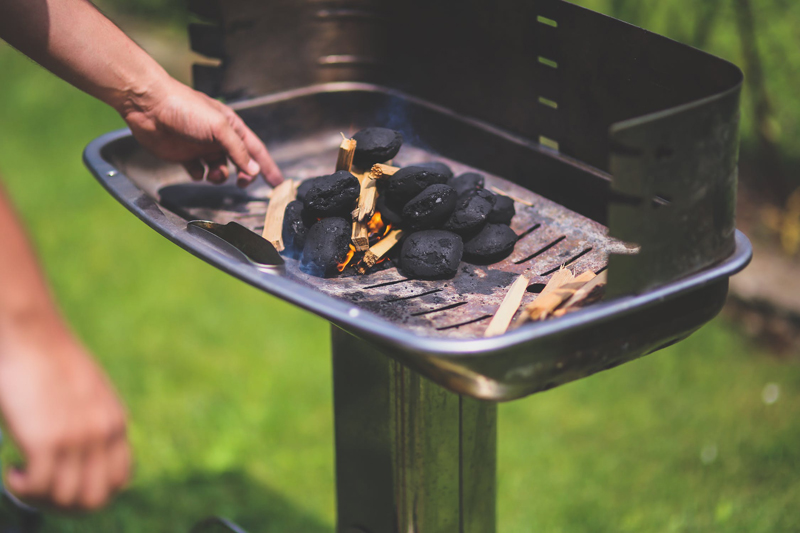
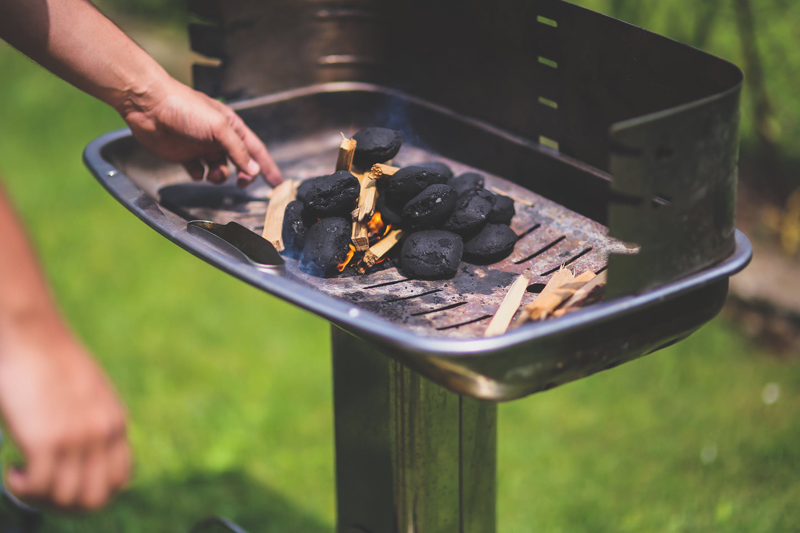
There are many great dishes that come out of the Southwest as well as other regions around the United States. Chili is one of them! Still to this day, the cowboys of the Southwest still cook their chili outdoors over a makeshift campfire for hours to blend the flavors that they put into it.
This Southwestern Campfire Chili recipe is fruity and spicy, it has great texture and is just downright yummy! You can by all means vary the heat factor by adjusting the type or amount of chilies you put into it. This recipe makes a lot of chili, however, you can halve the ingredients if you wish. The leftovers freeze extremely well, making this a quick fix for dinner on busy days.
As always, please read my Chef's notes and tips for alternative ingredients at the end of this recipe.

Spice Blend Mix
¼ cup ground Aleppo chili pepper
2 tbsp. ground cumin
2 tbsp. ground pasilla chili pepper
2 tbsp. smoked or sweet paprika
1 tsp. ground Arbol chili pepper
1 tbsp. granulated garlic
2 tsp. cayenne pepper
Mix the above ingredients together and set aside.
Ingredients
4 tbsp. olive oil/vegetable oil, divided
1 ¼ lb. ground beef
1 ½ lb. boneless chuck steak cut in 1/2” pieces
5 cloves fresh garlic, chopped
2 large yellow onions, diced
2 fresh jalapeños, seeds removed and diced
2 Fresno chilies, seeds removed and diced (optional)
1 Habanero chili, seeds removed and diced (optional)
2/3 cup tomato paste
2 - 14 oz. cans chopped tomatoes (or 1 large can)
2 quarts beef stock or broth
2 tbsp. brown sugar
2 tbsp. kosher salt
1 - 28 oz. can black beans, drained and rinsed
A whole lot of Love!
Method
1. In a large shallow skillet, brown the ground beef until no longer pink, approximately 7 minutes. Drain and set aside.
2. Add 2 tbsp. of the oil to the same skillet over medium-high heat and brown the pieces of chuck steak on all sides. Set aside with the ground beef.
3. Next, heat the remaining oil in a Dutch oven or a deep cooking pot over medium to high heat on the stove top. Add the onions, chilies, garlic and 1 tbsp. of kosher salt. Cook stirring often until the onions are opaque. Then, add the chili spice mix and the tomato paste. Stir well until incorporated and cook for 5 minutes.
4. Add the tomatoes with their juice, sugar, ground beef, chuck steak and the remaining salt. Stir well and cook for 5 minutes more. Add the beef stock or broth and stir well. Bring to a boil and then reduce the heat to low.
5. Cover the pot with foil and a tight lid. Simmer, stirring every 30 to 40 minutes for approximately 2-3 hours. Remove the lid carefully and stir in the black beans and heat through.
Serve this recipe over rice, with French fries - or a fun way to eat this is with some sturdy tortilla chips. Garnish with cheddar cheese, more fresh sliced chilies, sliced green onions (scallions) and a dollop of sour cream.
Chef's Notes and Tips
Adding some veggies to this recipe will give it a lot more texture, such as large diced bell peppers, corn, red kidney beans etc. The spice blend ingredients can be found in the spice section of your supermarket in the small packets and are quite inexpensive.
This Southwestern Campfire Chili recipe is fruity and spicy, it has great texture and is just downright yummy! You can by all means vary the heat factor by adjusting the type or amount of chilies you put into it. This recipe makes a lot of chili, however, you can halve the ingredients if you wish. The leftovers freeze extremely well, making this a quick fix for dinner on busy days.
As always, please read my Chef's notes and tips for alternative ingredients at the end of this recipe.
Spice Blend Mix
¼ cup ground Aleppo chili pepper
2 tbsp. ground cumin
2 tbsp. ground pasilla chili pepper
2 tbsp. smoked or sweet paprika
1 tsp. ground Arbol chili pepper
1 tbsp. granulated garlic
2 tsp. cayenne pepper
Mix the above ingredients together and set aside.
Ingredients
4 tbsp. olive oil/vegetable oil, divided
1 ¼ lb. ground beef
1 ½ lb. boneless chuck steak cut in 1/2” pieces
5 cloves fresh garlic, chopped
2 large yellow onions, diced
2 fresh jalapeños, seeds removed and diced
2 Fresno chilies, seeds removed and diced (optional)
1 Habanero chili, seeds removed and diced (optional)
2/3 cup tomato paste
2 - 14 oz. cans chopped tomatoes (or 1 large can)
2 quarts beef stock or broth
2 tbsp. brown sugar
2 tbsp. kosher salt
1 - 28 oz. can black beans, drained and rinsed
A whole lot of Love!
Method
1. In a large shallow skillet, brown the ground beef until no longer pink, approximately 7 minutes. Drain and set aside.
2. Add 2 tbsp. of the oil to the same skillet over medium-high heat and brown the pieces of chuck steak on all sides. Set aside with the ground beef.
3. Next, heat the remaining oil in a Dutch oven or a deep cooking pot over medium to high heat on the stove top. Add the onions, chilies, garlic and 1 tbsp. of kosher salt. Cook stirring often until the onions are opaque. Then, add the chili spice mix and the tomato paste. Stir well until incorporated and cook for 5 minutes.
4. Add the tomatoes with their juice, sugar, ground beef, chuck steak and the remaining salt. Stir well and cook for 5 minutes more. Add the beef stock or broth and stir well. Bring to a boil and then reduce the heat to low.
5. Cover the pot with foil and a tight lid. Simmer, stirring every 30 to 40 minutes for approximately 2-3 hours. Remove the lid carefully and stir in the black beans and heat through.
Serve this recipe over rice, with French fries - or a fun way to eat this is with some sturdy tortilla chips. Garnish with cheddar cheese, more fresh sliced chilies, sliced green onions (scallions) and a dollop of sour cream.
Chef's Notes and Tips
Adding some veggies to this recipe will give it a lot more texture, such as large diced bell peppers, corn, red kidney beans etc. The spice blend ingredients can be found in the spice section of your supermarket in the small packets and are quite inexpensive.

Related Articles
Editor's Picks Articles
Top Ten Articles
Previous Features
Site Map
Follow @CateringMom
Tweet
Content copyright © 2023 by Allyson Elizabeth D´Angelo. All rights reserved.
This content was written by Allyson Elizabeth D´Angelo. If you wish to use this content in any manner, you need written permission. Contact Allyson Elizabeth D´Angelo for details.